Herbs and Spices.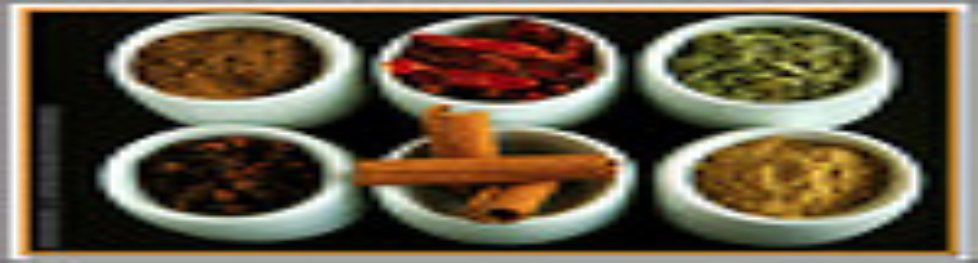
This is a list of the most common herbs and spices and other ingredients used in Indian cooking.
Most are readily obtainable, and more unusual ones can be found in Indian or specialist shops.
It is best to buy your spices whole and grind them as needed because they keep their flavour and aroma much longer than ready ground spices.
You can grind your whole spices in a pestle and mortar or use a coffee grinder or electric blender, but you should keep it just for that purpose.
Buy your spices in small quantities and store them in a cool dark place in airtight containers, so that they stay fresh and retain their aroma.
Aniseed.
Available whole or ground. The seeds are used in sweet and hot chutneys and confectionery, and imparts a subtle liquorice flavour to meat and vegetable dishes.
Bessan.
This is a fine yellow flour made from ground chick peas. Sift before use as it tends to form lumps during storage.
Blachan.
A flavouring paste of salty dried shrimp, it must be fried or roasted before use.
Cardamom.
Available as whole pods, seeds or ground. The pods vary in colour from white to green to almost black. The whole pod is used to flavour rice, meat and vegetable dishes and is then discarded, the ground cardamom is used to sprinkle on vegetables and in sweets.
Chillies.
Chilli peppers can be bought fresh or dried, when dried they can be bought whole or flaked or in powder form. Always take care not to rub your eyes or face when using chillies, they will cause a painful burning sensation.
Cinnamon.
This is the dried bark of the cinnamon shrub that has been peeled off, rolled into sticks and then dried. It can be bought in stick form or ready ground in powdered form. It is a very useful spice being used to flavour meat and vegetable dishes as well as seafood, pickles, cakes and puddings and fruit dishes.
Cloves.
Cloves are the dried flower buds of an evergreen of the myrtle family. Available whole or ground. Whole cloves are used in rice dishes and meat curries, ground cloves in fruit dishes.
Coriander.
One of the most common ingredients in Indian cooking, and one of the most fragrant. Available in three forms, as a fresh herb, as whole seeds or ground to a powder. It is used in curries, garam masala and many vegetable and pulse dishes.
Cumin.
Many varieties of this spice are available, in whole or ground form. Black cumin is the best type available, its seeds are smaller and darker and have a strong pleasant aroma. Cumin is widely used in Indian cookery and the whole seeds are often used in chutneys and pickles.
Curry leaves.
These are the aromatic leaves of the sweet Nim tree, and are available in fresh or dried form. Like bay leaves, they are used for flavouring while cooking and are discarded before serving.
Fennel.
The pale yellowish green, aniseed flavoured seeds are widely used in Indian cookery usually after dry roasting or flash frying. Can be bought whole or ground.
Fenugreek.
As whole seeds or ground to powder, fenugreek is quite a bitter spice, so take care not to overdo its use. It is used in its ground form in curry powders, and the whole seed is often used in vegetable curries. Dry roasting or flash frying the whole seeds for a few seconds before use makes the flavour more mellow.
Garam masala.
This is a mixture of spices that can be bought ready blended, though you can make up your own for use when needed. The mixture usually includes black pepper, cumin, cinnamon, coriander and cloves,though recipes vary. The flavour is much better if you grind the mix of spices yourself.Try the recipe opposite.
Garlic.
Garlic can be bought fresh, as a paste, flakes or powder. Fresh garlic gives the best flavour, but tends to burn easily when fried, and the flavour can become bitter, for this reason it is better to add it a few seconds after the onions.
Ghee.
Commonly used in southern India, ghee is clarified butter. It is able to withstand higher temperatures than butter and most cooking oils without burning.
Ginger.
This root is available in many forms, whole fresh, whole dried, powdered and whole preserved in syrup. Fresh ginger root is used peeled, and grated, or crushed, sliced or chopped. then used in curries, rice and sweet dishes.
Mango powder.
Fresh unripe mangoes are dried then ground into powder, this makes a convenient substitute for tamarind pulp, and is used to add sharpness to curries and other dishes.
Mustard seeds.
These are available whole in black, white and brown varieties. The black variety are used to flavour vegetable and pulse curries, dry roasting or flash frying for a few seconds before use releases their full flavour.
Nutmeg.
Nutmeg can be bought whole or ground. Freshly ground nutmeg has a far superior flavour to ready ground shop bought powder.
Onion seeds.
These black seeds are used to add flavour to vegetable curries and indian breads.
Poppy seeds.
A useful store cupboard ingredient, they add a crunchy texture and nutty flavour to savoury dishes salads and breads.
Pulses.
There are sixty varieties of pulse, the dried seeds of plants such as beans and peas. They form an important part of the Indian diet. They include chick peas, whole peas, red and yellow lentils, black gram, kidney beans and pidgeon peas.
Rice.
Basmati rice is the long grain rice that gives an authentic Indian flavour to your cookery. Other long grain rices include Patna and American, but the flavour is not as good.
Saffron.
The most expensive spice in the world,made from the stamens of a type of crocus flower, it takes thousands of stamens to make just one ounce/ 25g of saffron. It is used to colour and flavour rice dishes, sweets, puddings and cakes.
Tamarind.
The dried fruit of the tamarind tree, the pods or pulp are soaked in hot water to make tamarind water, which is used instead of vinegar or lemon juice to add sharpness to dishes.
Turmeric.
This comes in three forms, fresh, dried whole or, most commonly, ground. In fresh form it looks like ginger. It is one of the most widely used spices in Indian cookery, and is valued for its ability to add a bright golden colour to dishes in which it is used, and for its distinctive flavour. Use too much though, and its flavour is overwhelming. It is used in curries, chutneys, pickles and relishes.
Garam masala recipe.
Coriander seeds, 27g
Cumin seeds, 27g
Casia bark, 8g
Cloves, 8g
Cardamoms / black or brown, 8g
Ground Nutmeg, 4g
Bay leaves, 2 1/2 g
Ground black pepper, 12g
Ginger powder, 4g
Preheat oven to 160c / 325f, weigh out the coriander seeds, cumin seeds, casia bark, cloves and cardamoms. Place the spices on an oven tray and heat in the oven for 10 minutes, let the spices cool then grind and mix with the nutmeg, black pepper and ginger. Store in an airtight container. Use as directed in recipes.
